Patient Feedback Before They Post on Healthgrades

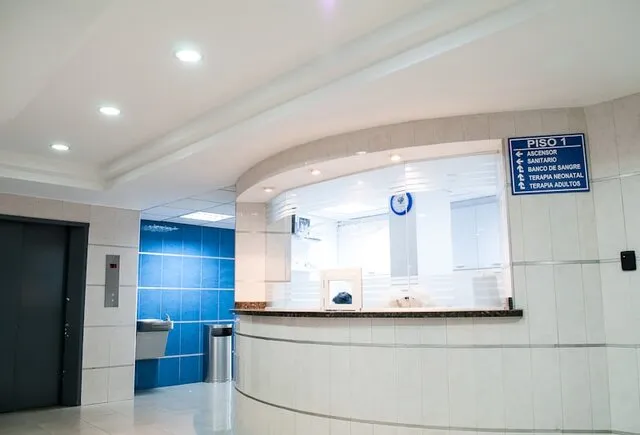
Medical office waiting room

QR Poll captures waiting room patient feedback anonymously with no personal data collected. Catch satisfaction issues before they become Healthgrades reviews.

Best for
Medical offices, dental practices, clinics
Setup time
30 seconds
Cost
Free up to 250 responses/mo, then $6/mo
No app required
Respondents scan with any phone camera

The Problem

Wait time complaints go online, not to you. Patient satisfaction scores matter for reimbursement. Staff interactions are invisible until there's a formal complaint. HIPAA concerns make people nervous about any digital forms.

Ready to solve this?

Create your first poll in under a minute.

How QR Poll Helps

  • Anonymous. No personal data collected. HIPAA-friendly.
  • Waiting room QR placement. Feedback while they wait.
  • Simple satisfaction ratings. Not complex forms.
  • Real-time alerts. Know about issues immediately.

Sample Patient Feedback Questions

Patients are stressed, waiting, and probably on their phone already. Don't give them a thesis to fill out. Two or three questions. That's it.

  • "How would you rate your visit today?" (1-5 stars)
  • "How was your wait time?" (1-5 stars)
  • "Was the staff friendly and helpful?" (1-5 stars)
  • "Anything we should know?" (open text)
  • "Would you recommend us to a friend?" (yes/no)

Pick two, maybe three. The open-ended question is where the real insights live. That's where you learn the receptionist was rude, the bathroom was out of soap, or the billing explanation was confusing. Stuff that never makes it into a formal complaint but absolutely makes it into a one-star review.

Medical vs. Dental vs. Specialist: What's Different

The setup is the same, but the questions should reflect the visit type.

  • Primary care / urgent care. Wait time is the big one. Patients expect to wait, but they have a threshold. If your average wait-time rating is 2.1 out of 5, you have a scheduling problem, not a perception problem. Ask about wait time explicitly.
  • Dental offices. Anxiety is the differentiator. "Did we make you feel comfortable?" matters more here than in a GP's office. Dental patients who feel heard about their nervousness become long-term patients. Ones who don't switch practices.
  • Specialists and surgical centers. "Was the procedure explained clearly?" is your key question. Patients leaving a specialist visit confused about next steps are patients who call back five times, leave bad reviews, or worse, don't follow post-care instructions.

One poll template doesn't fit all three. Spend five minutes customizing per practice type and you'll get dramatically better data.

Turning Patient Feedback Into Operational Changes

Collecting feedback without acting on it is just a hobby. Here's what actually works.

Review responses weekly. Not monthly, not quarterly. Weekly. Look for patterns, not individual complaints. One person upset about parking is noise. Five people in a week upset about parking is a signal.

Share aggregate data with staff without naming patients (they're anonymous anyway). "Our wait-time rating dropped from 3.8 to 3.2 this month" is a conversation starter that doesn't feel like an accusation. Staff respond better to trends than to individual complaints.

Track your scores over time. After you make a change, like adjusting scheduling blocks or adding a second check-in window, watch whether the numbers move. If they don't, the change didn't work. Try something else. Patient feedback gives you a closed loop that patient satisfaction surveys sent three weeks later never will.

How It Works

  1. 1Create a waiting room poll. Add 2-3 questions. Satisfaction rating, wait time, one open-ended. Takes 30 seconds.
  2. 2Print the QR code and post it. Waiting room wall, check-in desk, or exam room door. Laminate it. Patients scan with their phone camera.
  3. 3Review feedback weekly. Spot patterns in wait times, staff interactions, and facility issues. Act on trends before they become Healthgrades reviews.

It's that simple

Create your first poll in under a minute.

Common Questions

Is this HIPAA compliant?

We don't collect personal health information. Anonymous satisfaction ratings aren't PHI. But if you need a BAA, talk to your compliance team first.

Where should I place the QR code?

Waiting room is best. Patients have time, they have phones, and the experience is fresh. Also works near checkout.

What should I ask?

Simple satisfaction rating. Wait time perception. One open-ended "anything we should know?" Keep it under 4 questions.

Can I use different polls for different departments?

Yes. Create separate polls for the front desk, exam rooms, and billing. Each gets its own QR code. You'll see exactly where friction is happening instead of guessing.

How do I handle negative feedback?

That's the whole point. A complaint in your dashboard is a complaint that didn't go to Healthgrades. Check responses daily, address patterns with staff, and fix systemic issues. The angry patient who vents through QR Poll is doing you a favor.

What response rate should I expect?

Waiting rooms typically see 5-15% scan rates. That sounds low, but a 20-patient-per-day practice gets 1-3 responses daily. Over a month, that's 30-90 data points. Enough to spot patterns. Enough to catch a problem before it becomes a trend.

Hear From Patients While They're There

Simple feedback. No personal data collected.